
Frequently Asked Questions
Everything you need to know about medical tourism in Korea - answered honestly, without the marketing fluff.
Getting Started
Is medical tourism in Korea safe?
Yes. Korea ranks #2 globally for healthcare quality (CEOWORLD 2024), has 18 hospitals in Newsweek's World's Best list, and all hospitals treating international patients carry mandatory malpractice insurance (law since 2016). Korea welcomed 1.17 million international patients in 2024.
Why should I choose Korea over other destinations?
Korea offers a unique combination: #2 healthcare ranking globally, cutting-edge technology (proton therapy, AI diagnostics, robotic surgery), rigorous regulation, and 40-90% savings vs US. No other destination matches all four.
How do I get started with InKoreaNow?
Fill out the inquiry form on our Contact page or sign in to My Care to start a consultation. Tell us your medical needs and we'll recommend the right hospital, provide a cost estimate, and plan your entire trip. No consultation fee.
Is InKoreaNow a licensed medical facilitator?
Yes. Medical Facilitator License A-2025-01-02-5886 and Tourism License 2025-000008, both issued by the Korean government. Based in Seoul, working directly with partner hospitals.
Which hospitals does InKoreaNow work with?
Korea University Anam Hospital, Seoul St. Mary's Hospital, Bucheon St. Mary's Hospital, Severance Hospital (Yonsei), and NANA Plastic Surgery. Each selected for JCI accreditation, clinical outcomes, and international patient experience.
Costs & Payment
How much does medical treatment cost in Korea?
Savings of 40-90% vs US are typical. Health checkup: $350-$5,000. Dental implant: $700-$2,000. Rhinoplasty: $3,000-$9,000. Proton therapy: $15,000-$30,000 (vs $150,000-$200,000 US).
Will my US insurance cover treatment in Korea?
Generally no. Most US plans (employer, ACA, Medicare) exclude overseas treatment. Even paying entirely out-of-pocket in Korea, the total (including flights and hotel) is often less than US costs with insurance.
How do I pay at Korean hospitals?
Visa/Mastercard credit cards are widely accepted. Debit cards and international bank transfers also work. Confirm spending limits with your bank before traveling.
Are there hidden fees?
Not at our partner hospitals. Korean hospitals provide transparent, itemized estimates before treatment. InKoreaNow reviews every estimate with you and flags any potential additional costs.
Can I get a VAT refund on cosmetic procedures?
Yes. International patients receive a 10% VAT refund on cosmetic procedures (plastic surgery, dermatology, cosmetic dental) at registered institutions. InKoreaNow assists with the process.
Can I pay in installments?
Most hospitals expect full payment at treatment time. Some plastic surgery clinics offer payment plans for larger procedures. Ask us about options for your situation.
Visas & Travel
Do I need a visa for medical treatment in Korea?
US, UK, EU, Canadian, and Australian citizens enter visa-free for up to 90 days. Others may need a C-3-3 medical tourism visa. Korea also offers K-ETA (~$10 online registration) for some nationalities.
What is K-ETA?
Korea Electronic Travel Authorization - a simple ~$10 online registration required by some visa-free nationalities. Not a visa. Apply at k-eta.go.kr. Requirements change periodically - we confirm status during trip planning.
Can my family come with me?
Absolutely. Family members can accompany you (visa-free if eligible, or on a companion visa). Korean hospitals welcome families. Seoul is safe, clean, and has plenty for companions to enjoy.
Can I just show up at a Korean hospital?
Technically yes, but we strongly recommend booking in advance. Walk-in patients face long waits, language barriers, and may not get their preferred specialist or package.
I'm Russian. Is the visa process difficult?
More paperwork than visa-free entry, but well-established. The hospital confirmation letter - which we handle - is the key document. Korean embassies process medical visas routinely. Bucheon St. Mary's has Russian-licensed doctors.
How long is the flight to Korea?
New York: 14-15 hours. LA: 12-13 hours. London: 11-12 hours. Dubai: 8-9 hours. Tokyo: 2.5 hours. Multiple airlines offer direct flights to Seoul's Incheon Airport.

We Are Here to Help
Our bilingual team in Seoul is ready to answer any questions about your medical journey to Korea.
Language & Communication
Do Korean hospitals speak English?
Yes. All major hospitals have dedicated English-speaking coordinators. Our partners support 4-6 languages including English, Russian, Chinese, Japanese, Arabic, and Mongolian. InKoreaNow provides additional translation.
Do I need to speak Korean?
No. Seoul is navigable in English - subway has English signage, hospitals have coordinators, and the Papago app handles daily interactions like restaurants and taxis.
How does communication work during my procedure?
Your hospital provides a coordinator who translates during consultations. InKoreaNow is also present. For surgery, your plan is documented in detail before the day - goals, approach, and outcomes - so nothing is lost in translation.
Health Checkups
How much does a full body checkup cost in Korea?
Basic: $350-$1,000 (60+ tests). Premium: $1,200-$3,500 (adds colonoscopy, CT, cardiac). VIP: $4,000-$10,000+ (adds PET-CT, brain MRI, genetic testing). Even with flights and hotel, usually less than US equivalents.
What is included in a Korean health checkup?
Basic: 60+ tests including blood panel (50+ markers), abdominal ultrasound, chest X-ray, ECG, and gastroscopy under sedation. Premium adds colonoscopy, CT scans, cardiac ultrasound. VIP adds brain MRI, PET-CT, genetic analysis.
How long does a checkup take?
The screening takes 3-8 hours depending on package. Plan a 3-5 day trip: arrive, screen, get results, depart. Full diagnostic reports delivered by email within 7-14 days.
Is a Korean checkup worth the trip from the US?
For most Americans, yes. The US was the #1 source country for Korean checkups in 2024 (11,780 Americans). A comprehensive Korean checkup with MRI, CT, and endoscopy costs less than a single US colonoscopy.
Dental
How much do dental implants cost in Korea?
Single implant: $700-$2,000 all-inclusive (implant, abutment, crown, CT, follow-up) vs $3,000-$7,000 in the US. All-on-4: $9,000-$13,200 vs $20,000-$30,000.
Are Korean dental implants good quality?
Yes. Same premium brands as US (Straumann, Nobel Biocare) plus globally certified Korean brands (Osstem, Dentium, used in 70+ countries). 3D CT-guided placement, CAD/CAM same-day crowns, digital scanning.
How many days do I need for dental implants?
3-5 days for initial surgery. Return in 3-6 months for the final crown (another 3-5 days). Some cases qualify for immediate loading, reducing to one trip. Veneers: 7-10 day single trip.
What if something goes wrong after I return home?
Warranty coverage: 5-10 years on implants, 3-5 years on crowns. Your local dentist can manage most issues with Korean records. For complex issues, InKoreaNow coordinates remote consultation or return visit.
Plastic Surgery
How much does plastic surgery cost in Korea?
Rhinoplasty: $3,000-$9,000 (vs $8,000-$15,000 US). Eyelid: $2,000-$4,500 (vs $3,000-$7,000). V-line: $6,800-$10,700 (vs $20,000-$40,000). Breast: $5,000-$8,000 (vs $8,000-$15,000).
Is Gangnam plastic surgery safe for foreigners?
The best clinics are world-class, but 500+ clinics in Gangnam range widely in quality. Choose based on surgeon credentials, board certification, KAHF accreditation, and OR policies - not Instagram marketing. InKoreaNow vets clinics rigorously.
What is ghost surgery and how do I avoid it?
A different surgeon operates without your knowledge. Protect yourself: ask directly, choose clinics with camera-monitored ORs, work with a trusted facilitator. InKoreaNow only partners with clinics where the consulting surgeon operates.
How long should I stay after plastic surgery?
Eyelid: 10-14 days. Rhinoplasty: 14-21 days. V-line: 21-28 days. Breast: 10-14 days. Liposuction: 7-14 days. Accounts for follow-ups, suture removal, and initial recovery before flying.
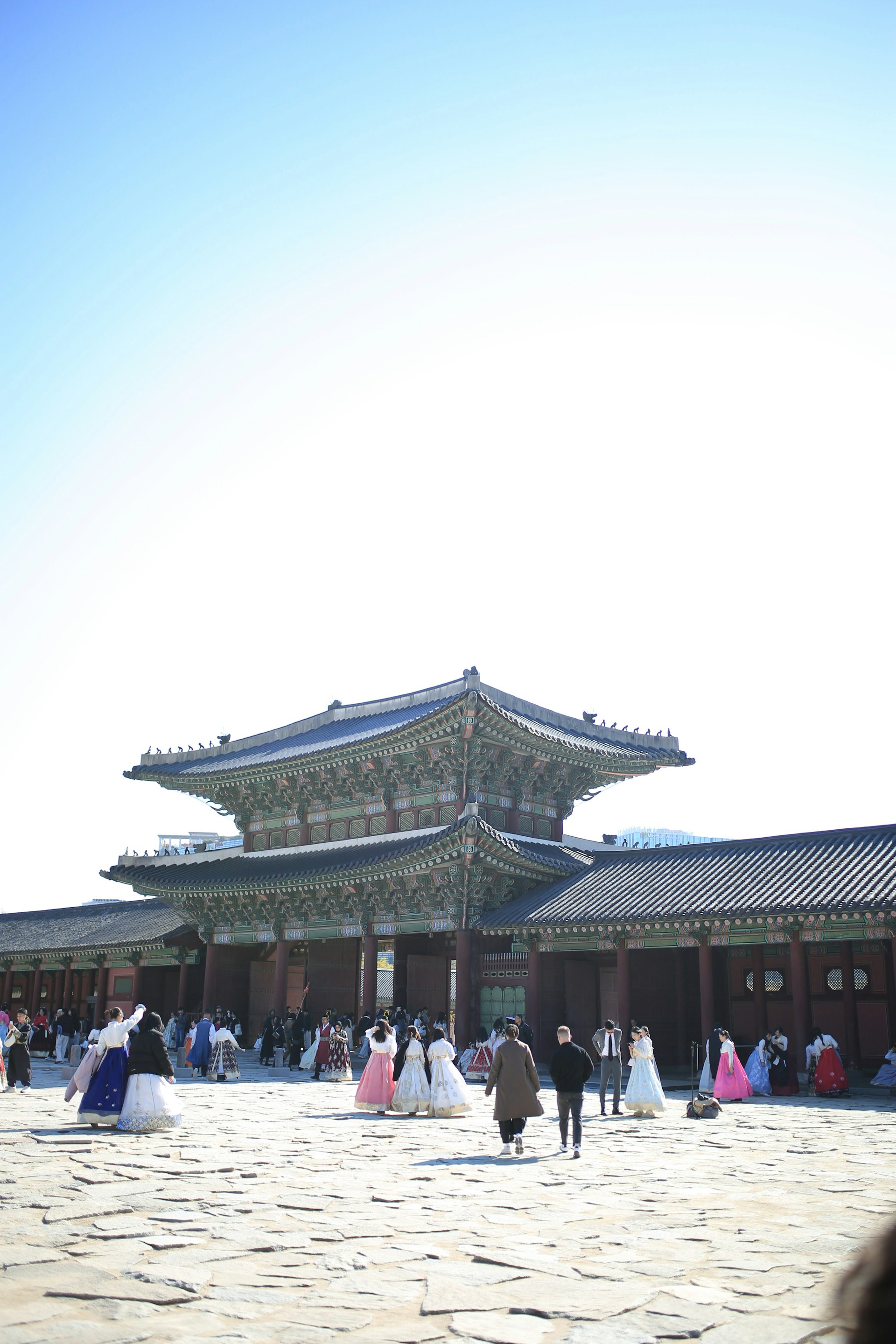
Real Patients, Real Results
Thousands of international patients choose Korea every year for procedures from routine checkups to complex surgeries.
Fertility & IVF
How much does IVF cost in Korea?
IVF cycle with medications: $4,500-$9,500 (vs $12,000-$20,000 US). Egg freezing: $3,000-$5,000 (vs $8,000-$15,000). IUI: $500-$1,000 (vs $1,500-$4,000). Savings compound with multiple cycles.
Can foreigners get IVF in Korea?
Yes. Korean fertility clinics treat international patients with English coordination. Some restrictions: surrogacy is not legal, and some clinics may require marriage documentation for certain procedures.
How long do I need to stay for IVF?
Standard IVF: 2-3 weeks (consultation through egg retrieval). Add 1 week for fresh transfer. Some patients freeze embryos and return later, reducing each trip to ~2 weeks. Egg freezing: 10-14 days.
Serious Medical Conditions
How much does cancer treatment cost in Korea?
Proton therapy: $15,000-$30,000 (vs $150,000-$200,000 US). Chemotherapy/cycle: $2,000-$5,000 (vs $10,000-$30,000). Robotic surgery: $15,000-$30,000 (vs $40,000-$100,000).
Which Korean hospital is best for cancer?
Depends on cancer type. Seoul St. Mary's: #1 Asia for stem cell transplant. Severance: carbon-ion therapy, strong for gastric cancer (77.4% 5-year survival). KU Anam: robotic cancer surgery leader. We match based on your diagnosis.
Can I get a second opinion from a Korean hospital?
Yes. Send your records, imaging, and pathology for remote review by a Korean specialist. InKoreaNow coordinates the process. If you proceed, the consultation transitions directly into treatment planning.
Recovery & Follow-Up
When is it safe to fly after surgery?
Checkup: same day. Dental implant: 3-5 days. Eyelid: 7-10 days. Rhinoplasty: 10-14 days. V-line: 21-28 days. Breast: 10-14 days. Knee replacement: 14-21 days. Your surgeon confirms timing.
What happens after I return home?
Complete English medical records, imaging files, and medication lists. Telemedicine follow-up with your Korean doctor. InKoreaNow maintains your case file and coordinates remote consultations for 3-6 months.
What if I have a complication after returning home?
Contact InKoreaNow immediately. We coordinate remote assessment with your Korean surgeon. For local issues, we provide records for your home doctor. For return visits, we arrange logistics. Mandatory malpractice insurance covers complications.
Can my home doctor continue my care?
Yes. We provide English records, imaging (CD/USB or digital), surgical notes, and medication lists with generic names - everything your home doctor needs. Korean documentation follows international formats.